The real adventure begins when something goes wrong. A lot like entrepreneurship.
Motorcycle Diaries: Equador
The adventure begins when something goes wrong.
Unexpected things happen on a motorcycle in a faraway country. Like potholes that could swallow a small city or washed-out bridges and moss covered rocks. Narcos are pretty invisible, but the military checkpoints are not. Sometimes you hit surprise gravel in the middle of a perfect twisty. On other days, a tourist bus blasts into your land. Or that sloth backing up traffic. Sloths are slow.
The real adventure starts when something goes wrong. A lot like entrepreneurship.
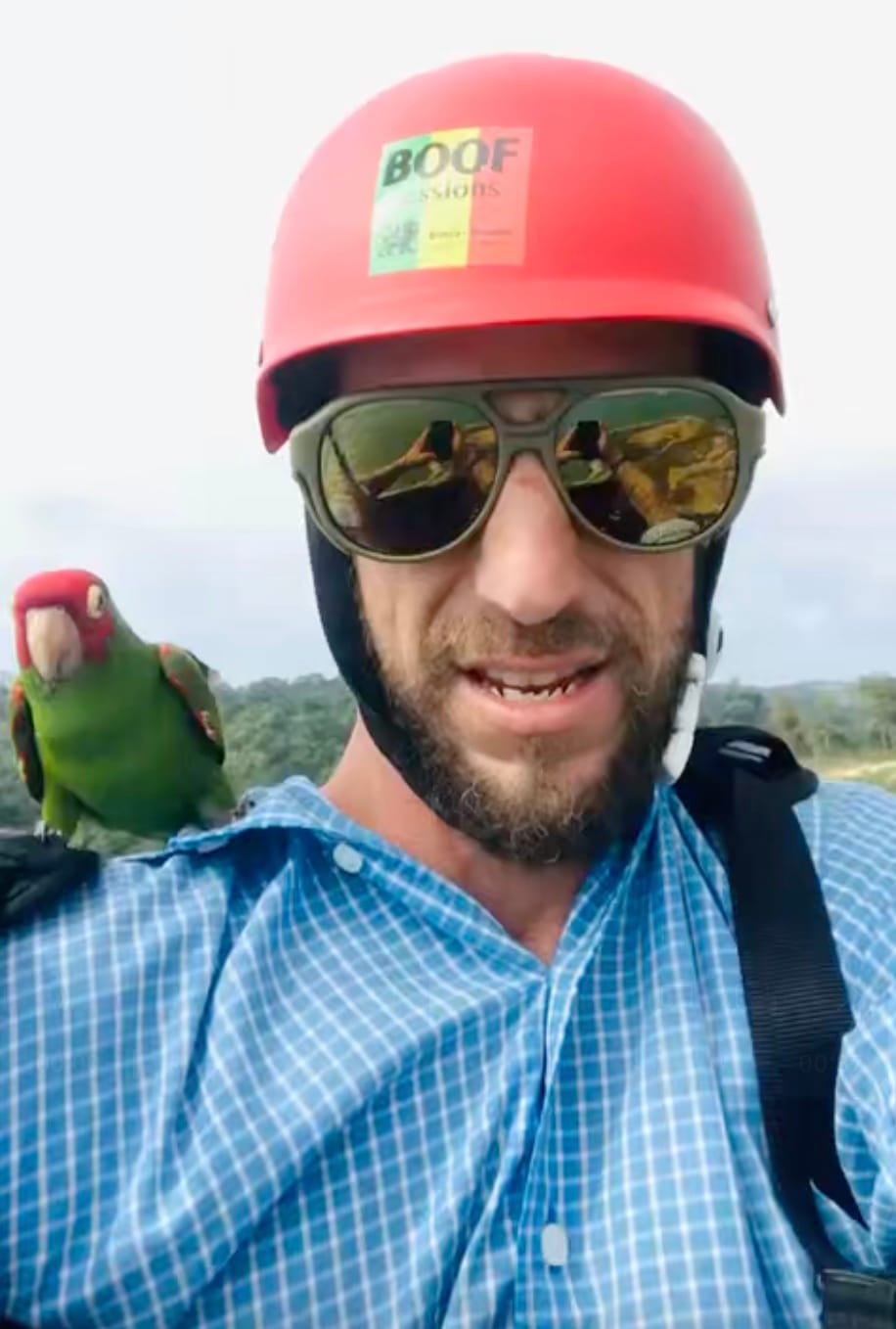
I rode nearly 2,000 kilometers through Ecuador on a rented Triumph bike that smelled of gas, jungle, and (maybe?) bad decision making. I was not prepared for how much this country would affect me. Volcanoes and jungles. Cloud forests and rainforests. Beaches that dangle off the edge of the world. Scientists come for the biodiversity. Another species comes for the economics. Entrepreneurs.
They are everywhere and in every town. Family businesses running on grit and soil. Fifth-generation cacao farmers. Street food gourmets who could crush it in Santa Monica. And, among them, you find a handful of expats who burned their old lives down and rebuilt them in this most beautiful, exquisite and challenging country.
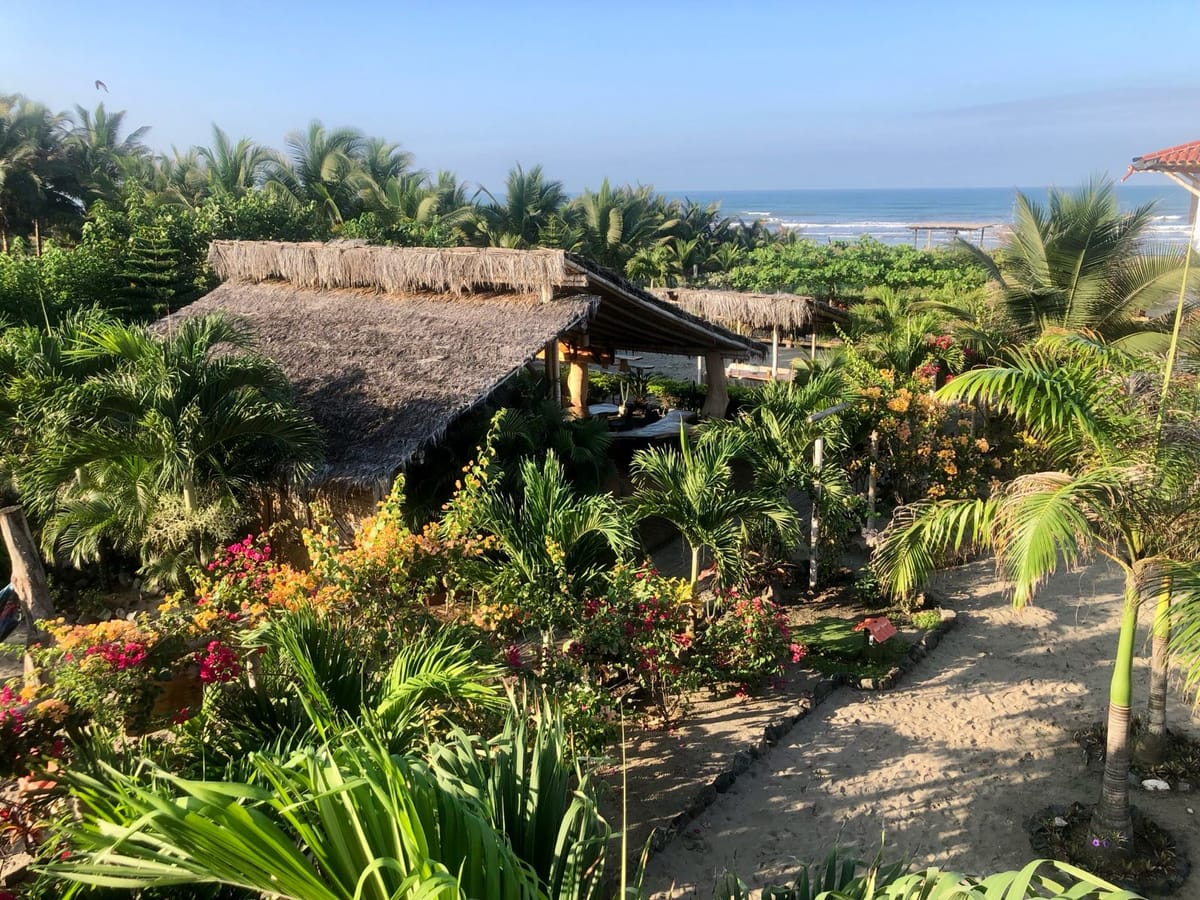
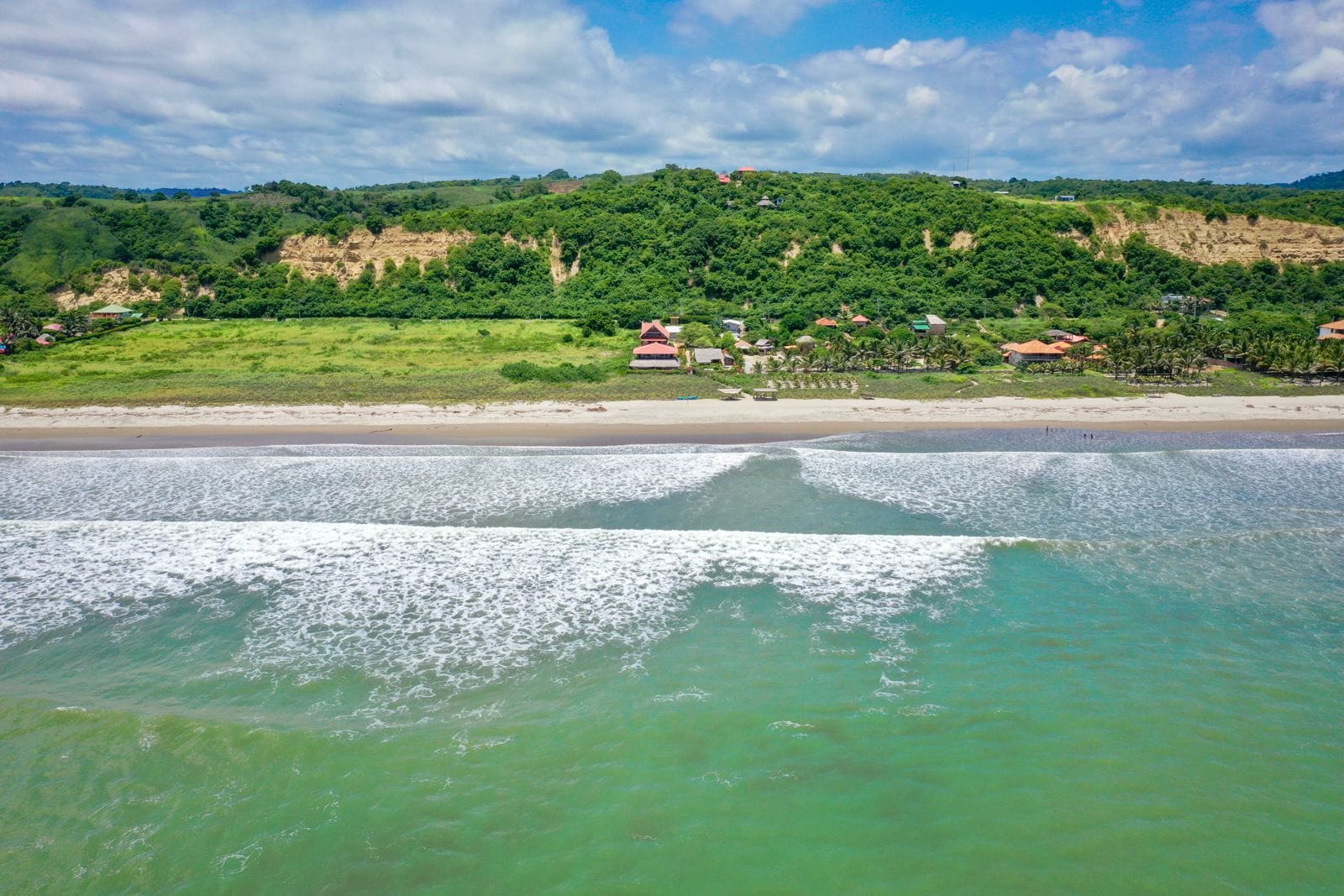
On the second leg of my trip, I rolled into the small beach town of Canoa. One main road. Sand everywhere. I checked into the Canoa Suites boutique hotel right on the ocean, a sort of landing zone for surfers, paragliders, and weary, sweaty motorcyclists.
The owner walked out to meet me. He was wearing board shorts and flip flops. Sun-bleached hair. Turns out he is from Colorado.
“I’m Peter,” he said. “Peter Stromberg.”
Within 10 minutes we figured out that he and I share a very specific piece of geography. He is from Poudre Canyon. Nobody is from Poudre Canyon except kayakers, ski bums, Peter Stromberg, and me.
“Colorado travels more than any state,” he told me later under the thatched roof, listening to the tide. “If you meet Americans out here, odds are good they are from Colorado.”
He is not wrong.
From coffee and mortgages to surf and paragliders
Before he was building huts on the beach, Peter was building coffee shops and mortgages in Fort Collins. He helped launch Muggs Coffee Lounge, the student-fueled hangout in Old Town. While he was still at Colorado State, he and a couple of friends took Muggs from one shop to five.
Then he jumped to the mortgage industry at Ameriquest. From there to a small Minnesota bank, then to the big leagues at Countrywide.
He was making real money and wearing board shorts in the office (a recurring theme it seems). He was about to cross six figures and lock in the American Dream. His wife, Maija, was a NICU nurse at Poudre Valley Hospital.
“And I just thought, this is a lot of debt,” he said. “You could see the writing on the wall.”
In 2007, before the collapse, they took a kayaking vacation to Ecuador. Rivers first, then the coast. From there, they stumbled into Canoa. Peter had never seen paragliding before, but in Canoa it is a normal everyday sport.
The cliffs north of town create perfect thermals. Wind comes in off the Pacific, hits rock, lifts. For nine months a year you can launch in the afternoon, soar the ridge for 28 kilometers, then land on the beach in front of the bars. When the wind shuts off, the surf picks up. Half the year you fly. Half the year you surf.
They went back to Colorado, sold their stake in the life they were supposed to want, and pointed everything toward Ecuador. He bought a bar on the beach called The Surf Shack from a burned-out Canadian who refused to delegate and actively discouraged drink orders.
“I asked for a caipirinha,” Peter said. “And the guy goes, ‘If you want that shit, go next door.’ Fifteen minutes later I asked again and he said the same thing. I thought, maybe we can do this better.”
That is a founder sentence if there ever was one.
Building a business in a place that does not care about your timeline
On expat Instagram the story usually stops there. Couple quits jobs, buys bar, lives happily ever after. Reality is more complicated. Especially in a country where you do not know the language or the unwritten rules.
“We didn’t speak Spanish,” he said. “There was a huge cultural barrier. You do not just walk in and hand over money and everything works.”
He and Maija worked their way through it. They hired locals at wages that made them instantly unpopular with other owners. When he bought the Surf Shack, the highest paid employee made 27 cents an hour.
“I walked in and said everyone is making two dollars an hour,” he said. “They told me you cannot do that. I told them we are doing that. ‘Not the women,’ they said. I said the women first.”
Most of his staff was single mothers. Most of them are still with him 15 years later. He pays above market, gives real benefits, and built his operation around their work ethic.
“I can build anything around single moms,” he told me. “They are the hardest working creatures on the planet.”
Eventually he sold the Surf Shack at the peak of the market and moved into hospitality. On the strip of sand where Canoa Suites sits now and where we sip coffee, he built a duplex for his dad and a business partner to retire in.
The night the earth moved
In April 2016, a 7.8 earthquake hit the coast. Buildings pancaked. Roads fell into the sea. Power lines whipped and sparked. Gas tanks exploded like grenades.
“We had just finished construction in January,” he said. “Three months later we are ripping the walls back out to see if the beams are still sound.”
There was no cavalry coming. No FEMA trucks or Red Cross tents showed up. Help arrived through people, not systems.
Because Peter and Maija had spent years running the Surf Shack and taking care of locals, people trusted them. Supplies poured in from friends in Canada, from paragliders all over Ecuador, from backpackers who had passed through Canoa and never forgot it.
Their place became a distribution hub. Volunteers slept on site. The Ecuadorian military camped next door. Peter had the only truck that could make the low-tide run around collapsed cliffs to reach cut off villages. He hauled injured people up from the beach, pulled kids out of rubble, and watched the best and worst of humanity share the same small streets.
“I had never seen dead kids before,” he said quietly.
Out of that chaos he did what entrepreneurs do when there are no instructions: He built a system.
He and a crew of locals and expats set up “stores” in roped-off squares. They invented a points system called Passion Points, with each family getting 100. Shelves were stocked with canned tuna, diapers, first-aid kits, cooking oil, clothes, shampoo, feminine products, even makeup.
They watched what people bought. First aid and food meant survival mode. Feminine products and lipstick meant the economic heartbeat was returning. When they saw giant containers of oil leaving the store, they followed one and found a restaurant quietly reopening. That town slid down the priority list for aid. The places still reaching for gauze stayed at the top.
They hired crews to clean out damaged homes before government backhoes arrived. They saved refrigerators and family photos and anything that could be salvaged. They traded hoarded mattresses for water and food without shaming people who were terrified and clinging to whatever they could hold.
It was not a formal NGO. It was a guy with a truck, some poker chips, his own cash, and a refusal to sit inside drinking while his adopted town fell apart.
“We were outperforming the government four to one,” he said. “Because we knew the back roads, we knew the people, and we did not have to ask for permission every five minutes.”
When the politics finally caught up and the arguments started about which logos could be printed on which tents, he went back to Colorado for a while. Back to the canyon. Back to the river.
Then he returned to Canoa and started again.
So you want to buy a bar on the beach
Most ambitious entrepreneurs look at Canoa and think, “I could do this.” Sell the house. Buy a bar. Open a small hotel with thatch and handmade signs.
I asked Peter his advice for young entrepreneurs with surfy aspirations.
“You have to be comfortable with failure,” he said. “You are going to fail. You will need plans B through F. You will make it to F.”
He has watched expats rage in Facebook groups after trying to buy property without a lawyer, in a foreign language, in a system they do not understand. In the U.S., contracts are built by a culture drunk on litigation. Here, if your contractor disappears with your money, he is just gone. There is no Yelp review that fixes it.
He told me about a guy who has lived there seven years and cannot buy salt at the corner store because he will not speak Spanish. His wife does everything. He will not risk saying the wrong word in public.
“There are some beautiful ways to be an expat,” Peter said. “And some really ugly ways.”
On my last morning at Canoa Suites, the ocean was a sheet of dull silver, cloud hung low. Two paragliders hovered on the ridge taking it all in. The staff, the same women who rode out an earthquake and a pandemic were laughing in the kitchen.
Peter padded across the tile with a cup of coffee and asked about the next leg on the bike.
“Just remember,” he said. “When something goes wrong, that’s when it gets good.”
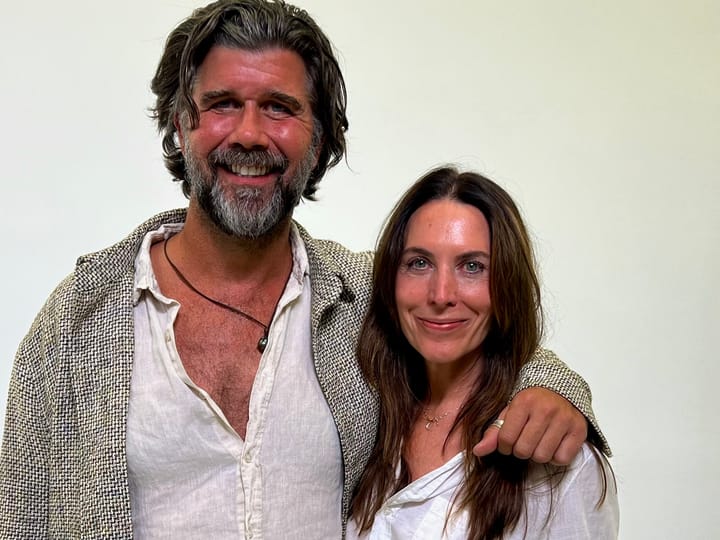
Peter Stromberg. The ultimate unmapped adventurer.


Comments ()