Building a more inclusive future for startups
“Everything starts with story,” Santiago says. “Your greatest asset is not AI. It’s not Claude code. It’s your story.” For entrepreneurs trying to build companies in the middle of an AI boom, that remains his clearest advice.
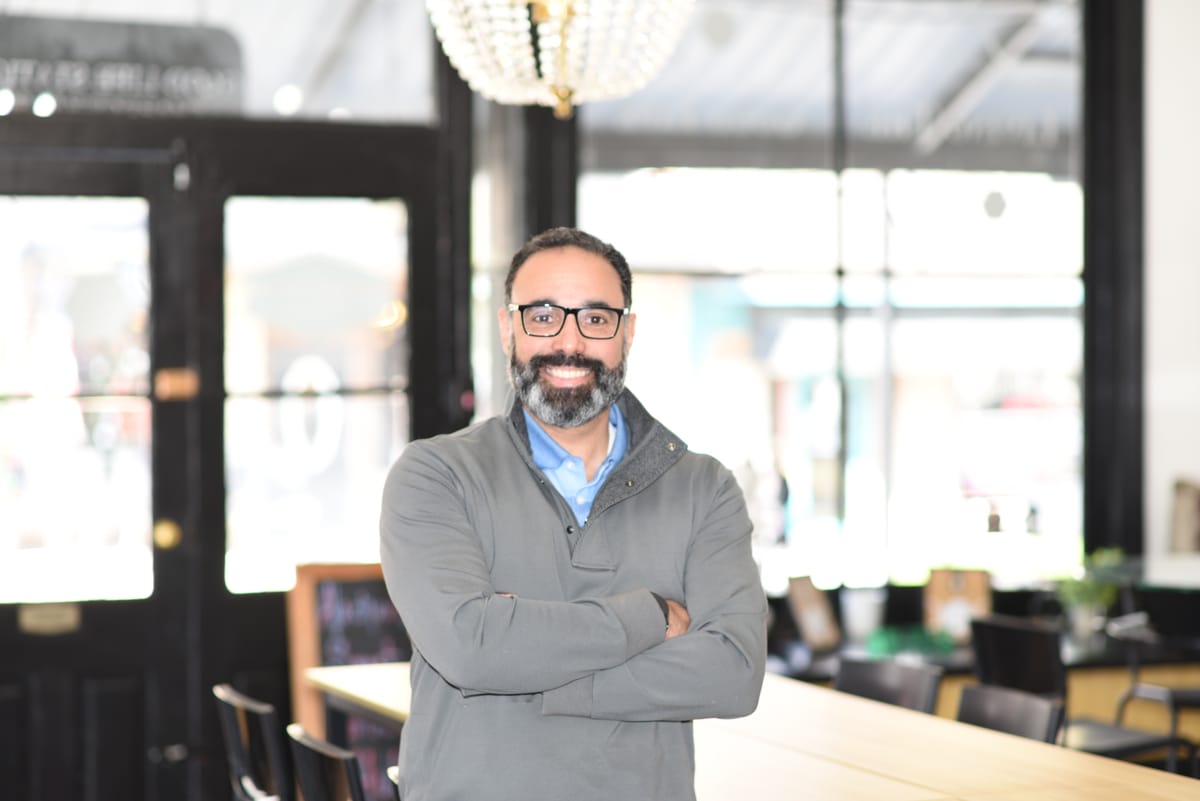
Artifact founder Boaz Santiago believes AI should amplify human stories, not replace them
Boaz Santiago has spent years building companies, mentoring founders, and helping shape the startup culture around Alachua County, Florida. Through his company Artifact and projects like NeuroMatch, he has become a familiar presence in a growing entrepreneurial community anchored by the University of Florida. But the driving force behind his latest work is deeply personal: expanding opportunity for the autism and neurodivergent communities.
That mission sits alongside another defining feature of the current startup moment. Artificial intelligence is everywhere, and founders are scrambling to figure out what role it should play in their businesses.
“AI is exciting,” Santiago says. “But founders have to decide what role it plays in their company. Is it the product? Is it strategy? Is it operational? Those are very different things.”
The distinction matters because many startups are racing to lead with AI before understanding how it fits into their actual value proposition.
“Right now everybody wants to lead with AI,” he says. “But the real question is where it belongs inside your company. Sometimes it’s a front facing product. Sometimes it’s a tool that makes your team more effective. Sometimes it’s both.”
At a recent AI summit in Gainesville, sponsored by Artifact and attended by students, founders, and investors, the conversation kept circling back to the same issue. Entrepreneurs are fascinated by the technology, but many are still figuring out how to deploy it in a meaningful way.
For Santiago, the solution is experimentation.
“Every company should have some kind of lab,” he says. “It doesn’t have to be formal, but there should be a place where you’re constantly exploring what new technology can do for your business.”
That philosophy extends beyond engineering teams.
“Your CEO should be in the sandbox,” he says. “Sales should be in the sandbox. Marketing should be in the sandbox. Everyone should be learning what these tools can do.”
Artificial intelligence is already creeping into nearly every function inside companies, often without clear oversight.
“HR is one of the places where you’re seeing a lot of experimentation,” Santiago says. “Sometimes that’s great, but sometimes it’s happening without governance, without security, without clear policies.”
Despite the uncertainty, he does not see AI as a temporary trend.
“This is not going away,” he says. “We’re still very early.”
For Santiago, the deeper promise of the technology becomes clear when it is applied to problems of access and inclusion. That idea sits at the heart of NeuroMatch, a platform designed to connect neurodivergent individuals with employers who can benefit from their skills.
“When we started talking about NeuroMatch, one of the first things we talked about was inclusion,” he says. “There are incredibly talented people who simply don’t fit into traditional hiring systems.”
AI can help change that.
“If you use these tools the right way, you can start recognizing patterns and strengths that traditional hiring processes miss,” he says.
The project has grown beyond an idea. NeuroMatch now involves investors, partners, and developers working to bring the platform to market.
“This isn’t a side project,” Santiago says. “We have investors. We have partners. We have a team building this.”
The work reflects his broader belief that technology should expand opportunity rather than narrow it.
“Entrepreneurship should be inclusive,” he says. “There’s a lot of talent out there that the system just hasn’t been designed to recognize.”
As AI continues to reshape how companies build products and operate internally, Santiago believes founders need to stay grounded in something far more human than code.
“Anyone can code now,” he says. “With tools like Claude Code and everything else out there, the barrier is dropping fast.”
But that shift means founders must focus on something machines cannot generate.
“Everything starts with story,” Santiago says. “Your greatest asset is not AI. It’s not Claude code. It’s your story.”
For entrepreneurs trying to build companies in the middle of an AI boom, that remains his clearest advice.
“Your story is the thing that makes people care,” he says. “Always has been, always will.”


Comments ()