For a stretch of time he lived in a converted Volkswagen bus parked on the beach in Tulum. Everything he owned fit inside the van and he smiles as he remembers it as one of the most liberating periods of his life. “It was the freedom of not having anything.”
Bill Ward built bars, restaurants, and an Airstream mini-empire before trading the startup grind for a life spent moving between Tulum, Bali, and wherever the road takes him next.
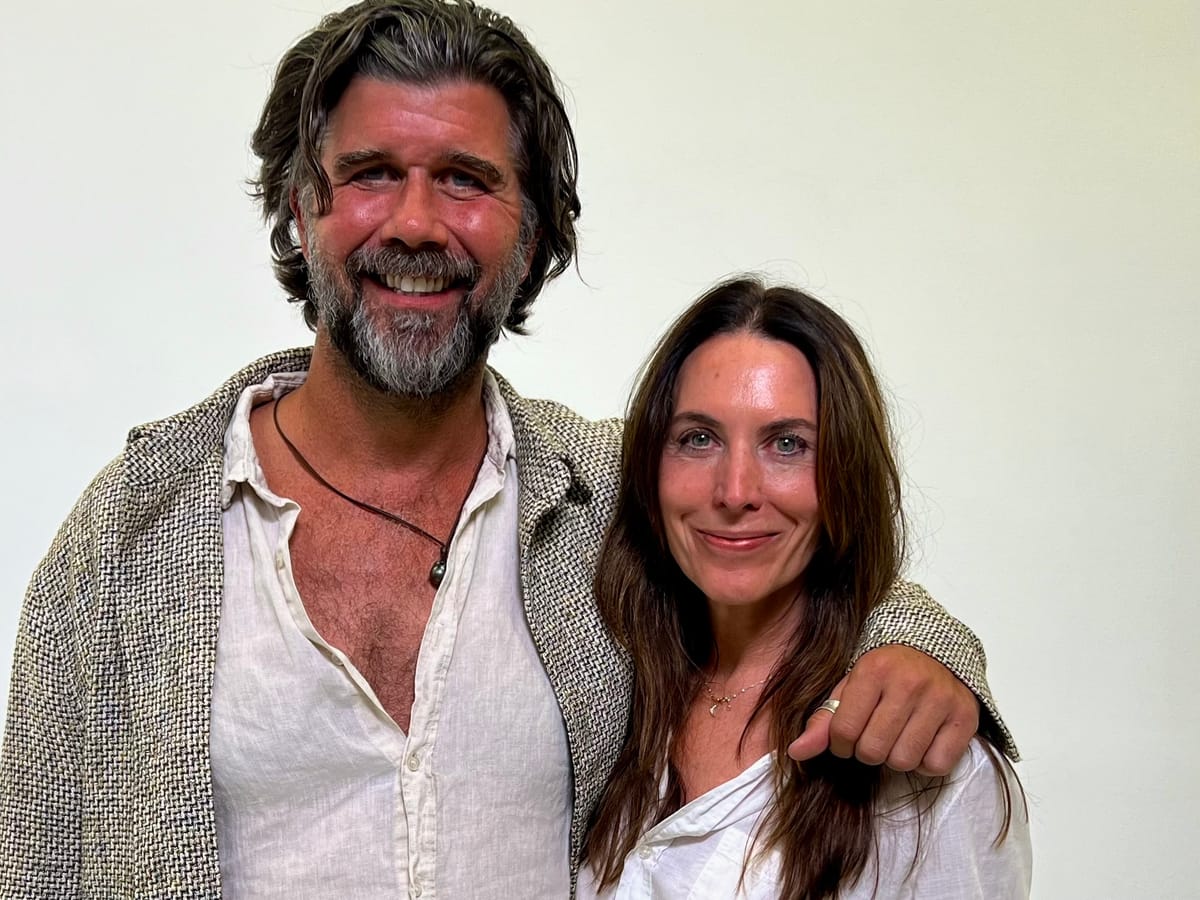
When Bill Ward walked into the studio, he looked like a man who had stepped off a beach somewhere south of the border. Which, in a sense, he had. Bill splits his time between Tulum, Mexico and Bali, where he has properties and projects. Always so many projects. The sun seems to travel with him.
He was wearing a slightly wrinkled white linen shirt, the kind that never stays pressed. His beard was longer than the last time I had seen him, threaded now with more gray. Time has softened the edges in one way and sharpened them in another.
Bill has never looked like your standard issue founder. He is looser than that, stranger than that, and a hell of a lot more unmapped.
He is a serial entrepreneur, yes. But he is also a wanderer.
“I can’t work for someone else. It’s not my personality. It’s not my lifestyle. I want to lead.”
That realization came early. After a short stretch in corporate life in the late nineties, Bill knew a cubicle farm was not his jam. He tried it briefly then he stepped away.
“I just can’t work for someone else.”
What followed was a string of entrepreneurial experiments and notable failures across Denver. Market research. Advertising and PR work. Then a handful of bars and restaurants scattered across Larimer Square and Cherry Creek.
Some worked. Some didn’t.
“I’m not an owner/operator. You have to know what you’re good at. I’m not good at it.”
Most founders take years to admit something like that – a perceived weakness. Not Bill Ward.
“I love starting up companies. I love creating new things, but I’m not good at keeping on going. It’s just not a passion of mine.”
That instinct led him to the venture that made him a Denver curiosity for a while. Live Mobile, an Airstream rental business that began with a single shiny trailer.
“The first Airstream I bought was with my dad. We were just going to use it for events, like having a little party outside of the party.”
“I don’t like being in one place. I like exploring. When I start not enjoying my life in any respect, that’s when I know this isn’t right for me.”
There was no grand plan. Just a trailer, a website he built while traveling, and a surprising number of phone calls from people who wanted to rent one.
One Airstream turned into three. Three turned into seven. Before long he had built a fleet.
“I started buying, I kept multiplying til I had 43 Airstreams and tow vehicles combined.”
The photogenic trailers showed up everywhere. Festivals, wine events, brand activations, magazine spreads. The company became one of those businesses that looks effortless from the outside.
Inside, it was anything but. Around year five or six, Bill felt the familiar feeling.
“I lost interest.”
Not because the company failed, but because it started to weigh him down.
“It didn’t allow me to live the life that I wanted to lead. And it didn’t allow me to travel the world.”
At heart, he’s a nomad and, yes, he’s totally unmapped. He rides a motorcycle when he can and keeps a BMW GS stowed away in Athens, Greece. “It’s always there if you need a getaway bike, Cosper,” he’s told me on more than one occasion.
For many entrepreneurs, success is all about scaling and raising funds, hiring more people, expansion.
But for Bill? No thanks. “I don’t like being in one place. I like exploring. When I start not enjoying my life in any respect, that’s when I know this isn’t right for me.”
Just as his Airstream business started to take off and that uncomfortable feeling struck, Bill took a trip to Tulum to clear his head. He had a friend who had opened a hotel nearby. The visit was supposed to last a few days. It turned out to be more than a “I felt like this is a place that I want to spend a lot of time. And so I never left.”
The pull of Tulum is hard to explain until you have felt it. It’s a strange mix of spiritual seekers, entrepreneurs, artists, and wanderers who pass through – much like how I’d describe Bill.
And, lo and behold, he found his place in Tulum.
Back in the States, his Airstream company had reached peak complexity (or “peak clusterfucking,” as Bill describes it). Dozens of trailers in multiple cities, employees – logistics and maintenance headaches.
“At that point, I knew I had to switch things around.”
He found someone to run the company and stepped away from daily operations.
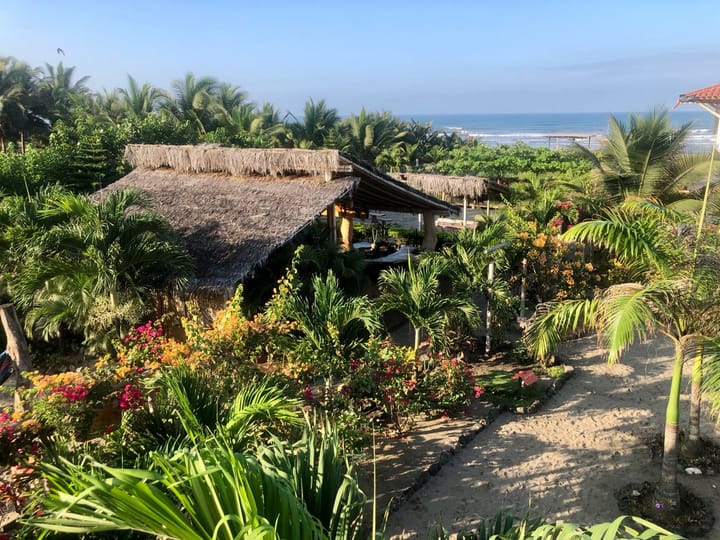
In Tulum, he bought land in the jungle and started building something.
“We built a community for people to live for free. They live on the land, they can grow food. No one ever pays a cent. You go there and you contribute to the land.”
People drift through from all over the world. Some stay for weeks and some stay for years.
It is not a so much as a startup – more of a social experiment.
Bill describes it without fanfare. “You go there and you contribute.”
The project pushed him toward another phase of entrepreneurship – real estate.
He began buying property in places that felt right. Tulum, Bali, Sonoma. Homes that double as landing pads when he arrives and rentals when he leaves.
“We’re building these homes in all these different areas so we can stay there and just rent them out when we’re not there.”
That approach follows the same pattern that shaped much of his career
“Following my heart took me to these new businesses.”
Somewhere along the way his definition of wealth shifted too.
“Wealth in my life isn’t measured by how big of a house I can have or how much materialism I can acquire. My wealth is measured in experiences. That’s all we have.”
For a stretch of time he lived in a converted Volkswagen bus parked on the beach in Tulum. Everything he owned fit inside the van and he smiles as he remembers it as one of the most liberating periods of his life.
“It was the freedom of not having anything.”
That kind of freedom that puzzles people back home. How do you live like that? Bill answers with the same shrug.
“You just have to take a leap of faith and just know that you’re going to survive.”
He has advice for people too scared to take that leap of faith.
“If you move somewhere and it does not work out, you go home. Life continues. So what? You just had a three-month vacation.”
Years of business cycles have taught him something else as well. Failure only becomes dangerous when you refuse to move past it.
“You have to just let go. If you don’t let go, you’re going to beat yourself up about this, and you’ll just stay there rolling around in the ash feeling sorry for yourself.”
Entrepreneurs love to mythologize failure. Bill does not.
“All our hero entrepreneurs, they’re not perfect. They’re human, they fail, they do weird shit.”
Bill Ward on why Americans are so motivated by money.
Comments ()