In L.A., people trust one guy with their pricey supercars
A lot of founders start companies because they want to build. Others start them because they get tired of waiting around inside systems they don’t control. Elrod sounds like the second kind.
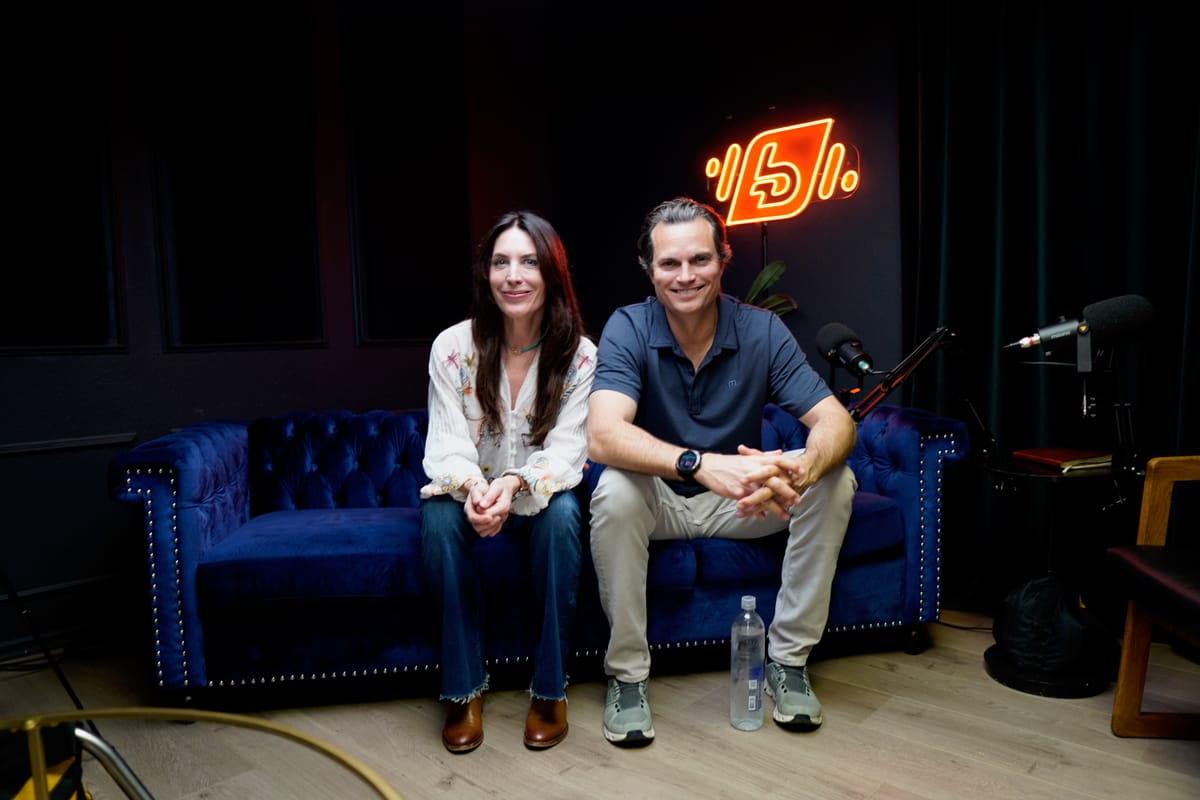
Scott Elrod's path to entrepreneurship runs through airport runways, air traffic control towers, Hollywood sets, and the rarefied world of Los Angeles supercars.
He helped build the runways at Denver International Airport. He worked as an air traffic controller. He launched a promotions company. He sold tech. He came to Los Angeles to act. Then, somewhere in the middle of all that, he built a luxury automotive management business for people with too many cars and not enough time.
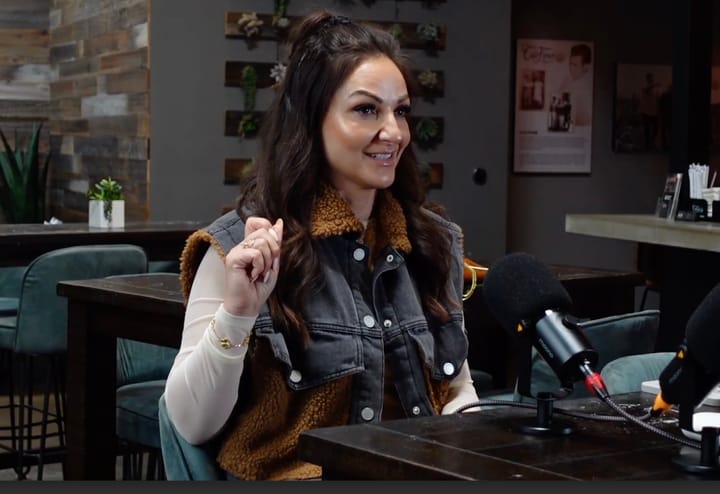
By the time I sat down with him in the LA studio, the whole thing had taken on the logic of a very American fever dream. Aviation. Hollywood. recurring revenue. Ferraris. A guy who likes nice things and says so without apology.
“I’ve always been driven by, like, I want nice stuff,” Elrod says. “And nice stuff is expensive.”
That may be the most honest entrepreneurial origin story anyone has ever given me.
Concrete, control towers, and Colorado
Elrod grew up in a military family in Colorado, surrounded by airplanes and the kind of discipline that either shapes you or sends you sprinting in the opposite direction. His father flew. His stepfather flew. Aviation was everywhere.
Before any of that turned into a career, though, there was the summer job.
At eighteen, he worked nights on the runways at DIA, helping fill the voids that formed between giant concrete slabs as the airport expanded.
“We were working like seven days a week,” he says. “As like an eighteen-year-old, I was making like seventy bucks an hour.”
The job was physical, highly specific, and strangely perfect for him. It paid well. It was hard. It got him closer to airplanes.
Then came the military and air traffic control, the next closest thing to being a pilot if you couldn’t yet sit in the cockpit yourself.
“I’ve been around two very influential people my entire life that flew airplanes,” he says. “So I was like, okay, I want to go fly airplanes, and I want to do that for the military.”
He did six years as an air traffic controller and learned a lot, including one thing about himself.
“I’m just not military material,” he says.
He says this with respect, not rebellion. He is quick to praise the people who serve. He is also very clear that he was never built for rank-by-tenure logic or taking orders from someone just because they signed up two days earlier.
“You don’t get to tell me what to do just because you enlisted in the military two days before I did.”
Scott Elrod is not anti-structure. He likes systems when they serve a purpose. He does not like them when they become the point.
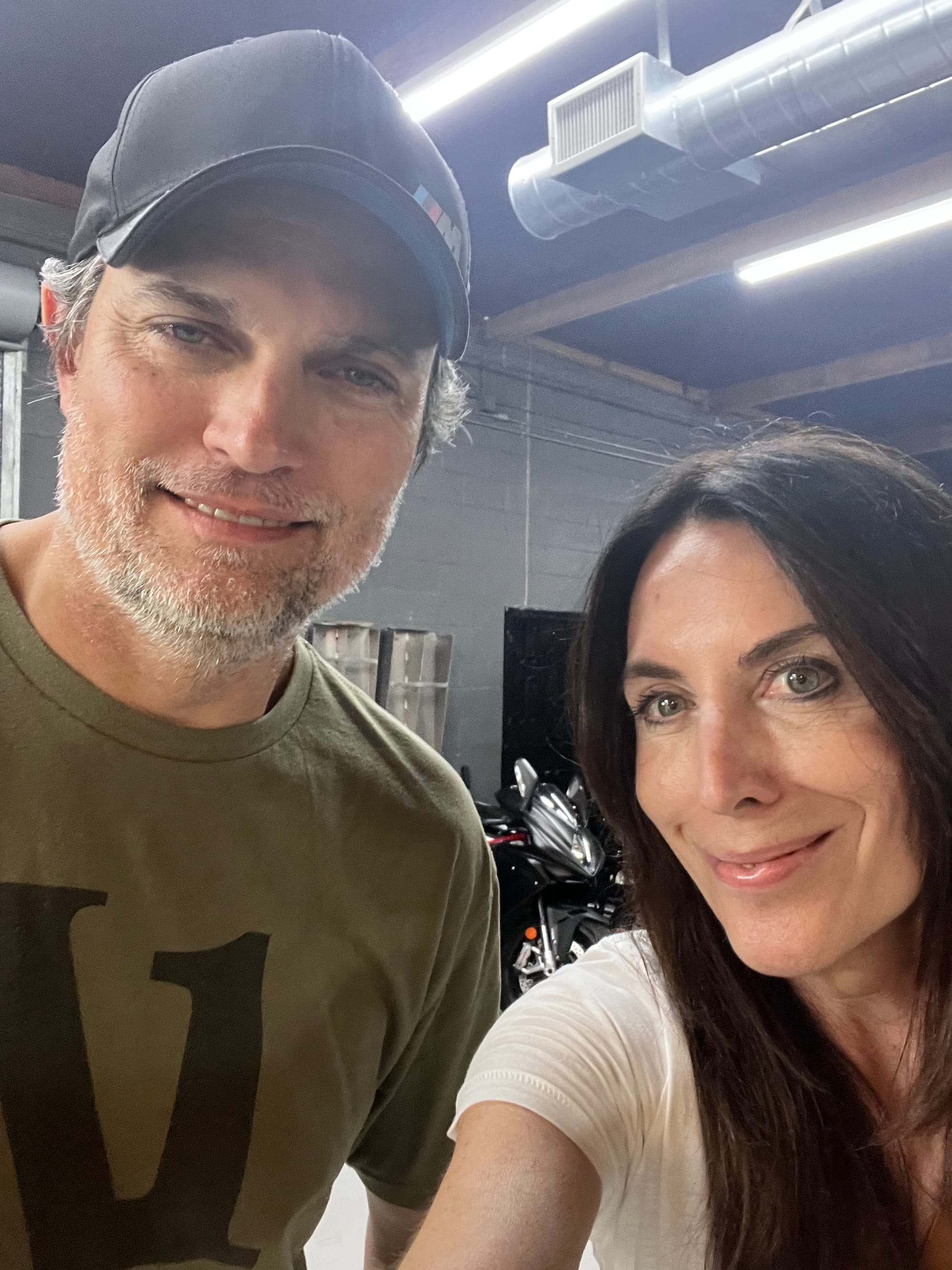
An actor with a different kind of script
After the military, Elrod moved through a string of ventures that make more sense in retrospect than they probably did at the time. He worked in high tech. He launched a mortgage business. He had a promotions company with a friend from Colorado. Eventually he made the move to Los Angeles and started acting.
He moved to LA about 20 years ago to pursue acting and got some traction. Then came the writers strike and the looming possibility of an actors strike, and suddenly the problem looked familiar: too much of his future sat in other people’s hands.
“I really thought I had hit my stride in the acting world,” he says. “But then we had the writers’ strike. And it was just like, okay, you don’t control your own destiny.”
A lot of founders start companies because they want to build. Others start them because they get tired of waiting around. Elrod sounds like the second kind.
He had already been thinking about a business idea since 2008. He liked recurring subscription models. He loved cars. He understood service. And he lived in Los Angeles, which is one of the few places on earth where rich people run out of garage space and pay someone else to solve the problem elegantly.
Then a charity event handed him the connection that changed everything. It was there he met a man who took an interest in the idea and asked to see the business plan.
“And I sent it to him,” Elrod says. “And pen to paper, we were off to the races.”
Auto Concierge
The company he built is called Auto Concierge, which sounds simple enough until you ask what it does. Storage is part of it, but that word undersells the thing.
“I call what we do asset management,” Elrod says.
Then he gives me the raw, slightly amped up version.
“We remove the resistance associated with the passion.”
His clients love cars, but love and logistics are two very different things. These are not cars you leave sitting under a cover in a suburban garage for six months and then fire up when the weather turns nice. These are machines that need to be exercised, detailed, monitored, moved, repaired, coddled, and returned ready for use.
Time, he says, is the first problem.
“We all have twenty-four hours in the day. I don’t care if you make a billion dollars a year or a hundred grand a year.”
Space is another. Los Angeles is rich in car culture and short on real estate, which turns private passion into a service opportunity.
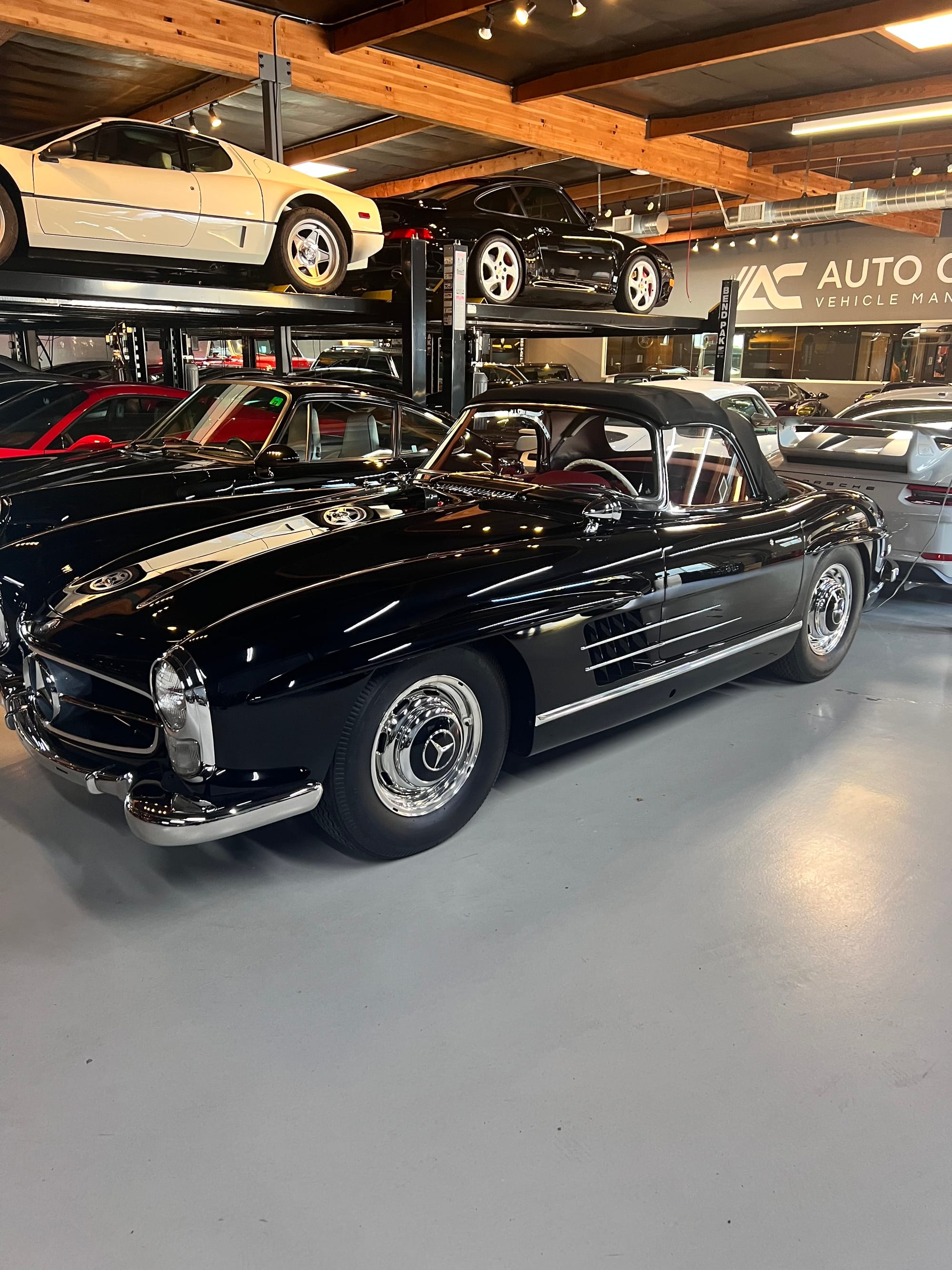
Elrod’s company handles the entire ecosystem around the cars: storage, maintenance, transport, readiness, detail, trust.
For him, the magic is not in the horsepower. It’s in removing friction.
“They call me up and it shows up and it’s clean, detailed, tire pressure set, and mechanically sound.”
Just because you can...
The deeper you get into the story, the more Auto Concierge begins to sound less like a luxury car company and more like an old-fashioned service business
If that trust breaks, poof, the client is gone.
Elrod gives one example that is all too familiar these days. An employee was dropping off a Ferrari and decided to take selfies at a stoplight, posting them to Instagram.
“I’m like, okay, first of all, why would you want to do that in the first place? It’s not yours.”
No surprisingly, the employee did not last.
This is the current frontier of the business, and he knows it. In the early years, the problem was money, leases, and convincing someone to let him sign for a commercial space without prior history. Now the harder problem is people.
“It’s hard finding good people,” he says.
He runs nearly 30 employees across multiple locations in two states. The challenge, he says, is no longer proving the concept. The challenge is finding people who understand that in a service business like this, the standard is set by client expectations.
Don’t accept no
Elrod has strong opinions. Some of them are raw enough that you can feel the studio air sharpen slightly when he says them.
“The world needs people that go out and suffer and drive and do these things,” he says. “It’s called life because it’s a struggle.”
He talks about younger workers, purpose, and discipline. And he talks about Elon Musk in the way a lot of entrepreneurs do now. Not as a moral guide, but as proof that people who build improbable things often refuse to hear no as a final answer.
“Don’t accept no,” he says.
The village
For all the luxury and bravado around exotic cars, Elrod’s actual philosophy of business is not especially glamorous. It’s more like a village thing.
“The janitor is just as important as the CEO,” Elrod says.
That line feels more honest than a lot of founder talk. It also squares with the rest of his story. He has built something flashy on the outside and deeply operational underneath. A business that depends on clients trusting him, employees not embarrassing him, and every person in the chain doing exactly what they’re supposed to do.
He likes Richard Branson’s definition of entrepreneurship as the creation of something where there was nothing. Then he complicates it a little, as is his style.
You do not necessarily have to own the company to be entrepreneurial, he says. You can still create, solve, redefine, and contribute inside a system.
“Entrepreneurship is following your own path, whatever that may be.”
Scott Elrod, the man, the myth, the entrepreneur. He started off as an actor, but ended up curating other people's super cars.

Comments ()