The machinery of media looks very different now. But, we both agree, editorial judgment still has a place. Maybe now more than ever.
Longtime Esquire editor reflects on stories, media, and the discipline of letting the story lead
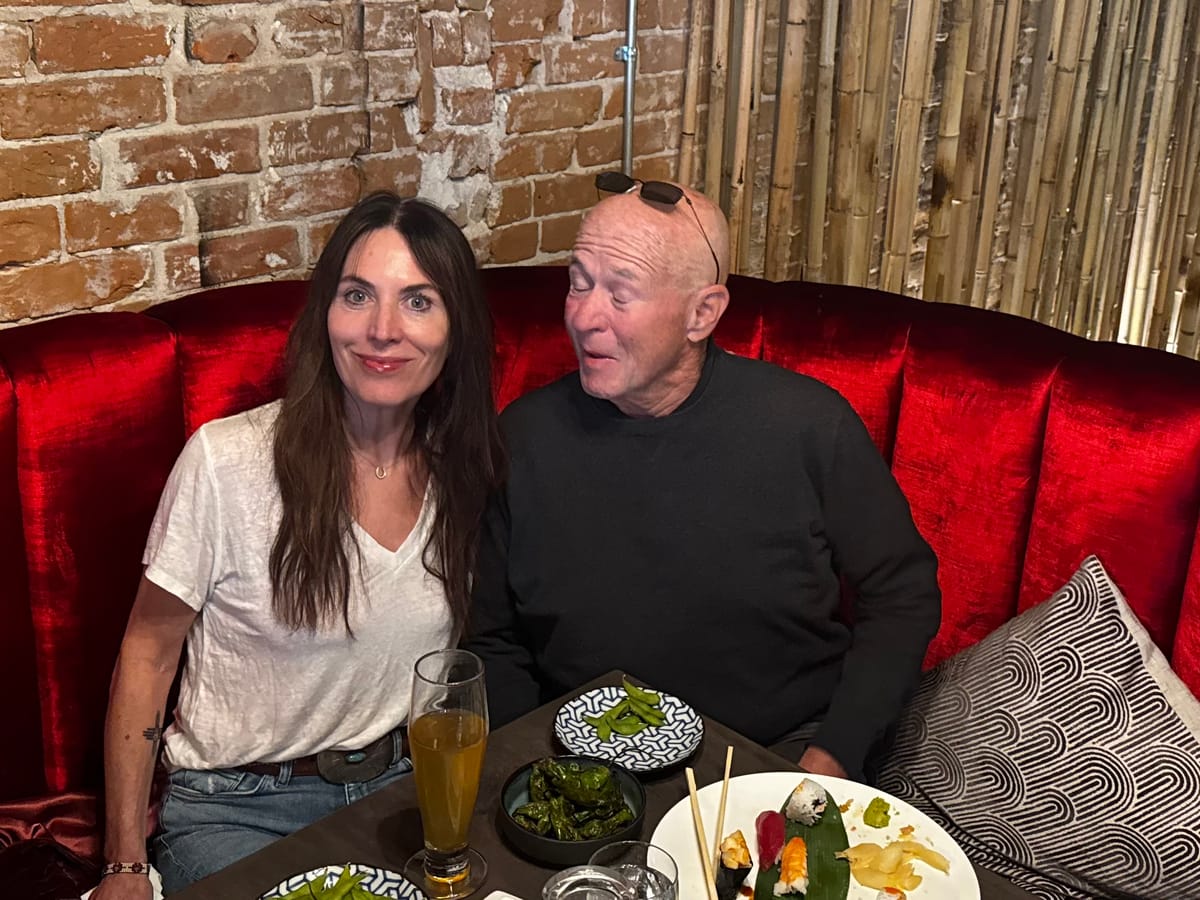
Not many people could convince me to walk willingly into a sushi restaurant. I’m vegan. Sushi is not. But David Granger was in Fort Collins, and when David Granger suggests sushi, you figure it out.
We met at Japango in Old Town. Sushi for him. Edamame for me. We’ve known each other a long time, so conversation is always easy. The topics are not surprising. Stories, writers, writer’s block, books, photography, the strange machinery of publishing these days, and the craft of editing. He has grandkids now, so we covered that, too.
The machinery of media looks very different now. But editorial judgment still has a place. Maybe now more than ever.
If you know magazines, you know the name. For 20 years, David Granger ran Esquire, one of the most influential magazines of its era. Under his leadership, the magazine blossomed. It was a blend of literature, journalism, humor, fashion, and politics with a certain kind of swagger. Intelligent swagger, I think.
Today Granger is a book agent, which makes sense. His instinct has always been the same. Find people with something interesting to say and help them say it.
When I was running Entrepreneur, Granger and I would occasionally trade recommendations. Writers we admired. Photographers with a unique take. Columnists with a certain quirk. Editors are good at building networks of talent. It takes a certain perspicacity to recognize the voices that will still matter 10 years from now.
Years ago, Granger put Fred Rogers (Mr. Rogers’ Neighborhood for the kids in the back) on the cover of Esquire. It still haunts him. Even at our lunch. It's not regret, really. He's unapologetic about it. He loves Mr. Rogers. Who doesn't?
“It was the worst-selling cover we ever had,” he told me.
Nostalgia, it turns out, does not always move magazines. No one is perfect. Not even Granger.
We talked about that. And about how much the media world has morphed. AI made a brief appearance. He's not worried about AI the way some content people are. He's not even salty about it, which is rare for him.
"AI is not creative. It can't write original things. I'm not worried about it," he explained while stirring his vodka tonic, light on the tonic.
And we talked about magazines. No longer the center of culture and cultural trends, magazines have given way to algorithms that decide what surfaces and what trends. Influencers command audiences that would have made magazine circulation directors blush 20 years ago. TikTok personalities shape conversations that used to begin in newsrooms and pitch meetings.
The machinery of media looks very different now. But, we both agree, editorial judgment still has a place. Maybe now more than ever.
Editors today often become personalities, influencers, participants in the narrative. Granger always saw his role differently. His job was to find the story, find the person who could tell it best, and then release it into the world. He knew how to reach in and pull the very best out of writers, photographers, creatives.
He spent 20 years editing one of the finest magazines of our time and somehow never made himself the main character. Not once.
“The story comes first, Cosper.”
And he was right. The story should always come first.

Comments ()