That time Pussy Riot opened for the Creative Business Cup
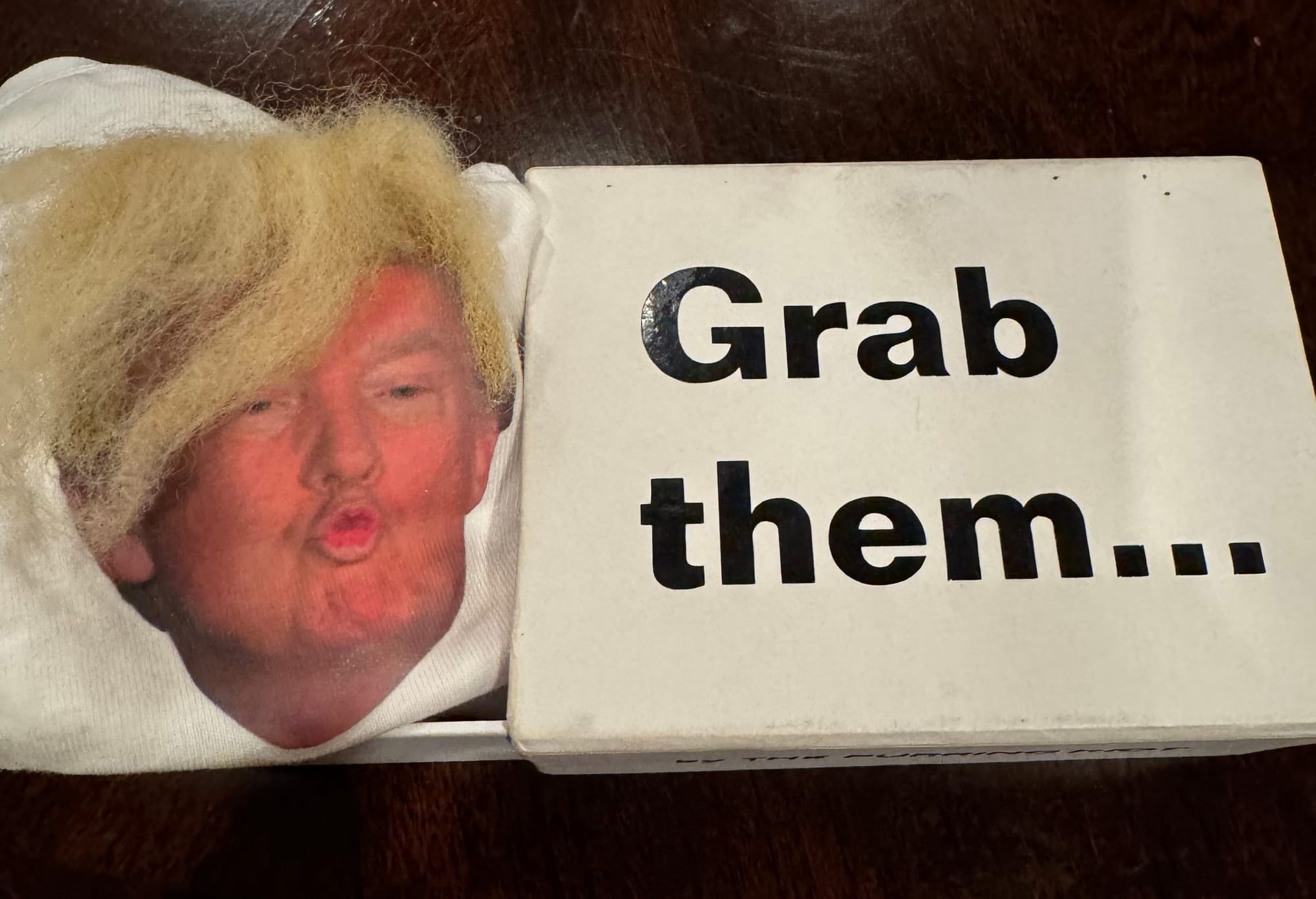
Afterward she leaned over and handed me a small box. Inside was a pair of Donald Trump underwear. White cotton with fuzzy blond hair stitched on top. It was equal parts satire and warning. She looked at me and said quietly, “Americans are not going to like having a dictator.”
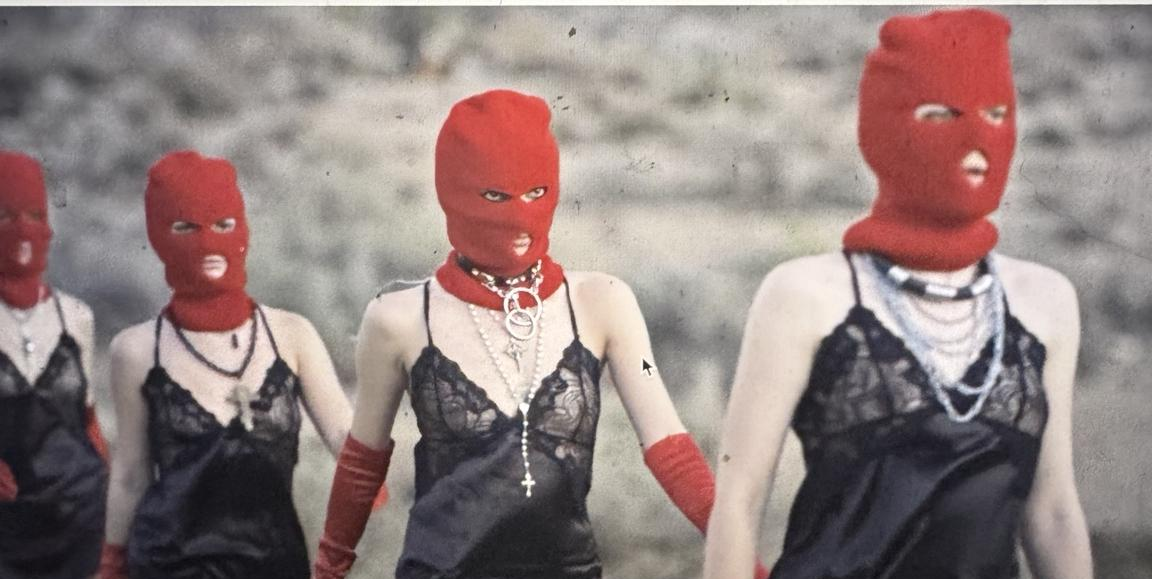
Rasmus Tscherning turned a startup competition into one of the most unlikely gatherings of global creativity, art, and rebellion
The cavernous stateroom in Copenhagen did not go silent all at once. People shifted in their seats, shuffled papers, slipped out for coffee, and murmured to one another in Danish. But on that day the energy changed quickly.
Nadya Tolokonnikova had just taken the stage.
The founder of Pussy Riot stood there in a cropped pink fuzzy jacket and platform sneakers, looking less like a keynote speaker and more like someone who had wandered in from a day of thrifting. By then she had already spent nearly two years in a Russian penal colony after protesting Vladimir Putin inside Moscow’s Cathedral of Christ the Savior.
She spoke about the power of free speech. About the responsibility artists carry when power tries to silence them. About the dangerous moment when a government begins to treat dissent as a crime.
Afterward she leaned over and handed me a small box. I was the one who lobbied to get her to Copenhagen, so I guess that meant I got the present. And it was a doozy. Inside was a pair of Donald Trump underwear. White cotton with fuzzy blond hair stitched on top. It was equal parts satire and warning. She looked at me and said quietly, “Americans are not going to like having a dictator.”
This was before Trump had been elected. I still have that Pussy Riot underwear sitting on my desk and Trump is still president.
Tolokonnikova is best known as the founding member of Pussy Riot, the Russian protest collective whose performance inside Moscow’s Cathedral of Christ the Savior became one of the most visible acts of artistic dissent in modern Russia. By the time she arrived in Copenhagen she had already spent nearly two years in a Russian penal colony after being arrested for the protest.
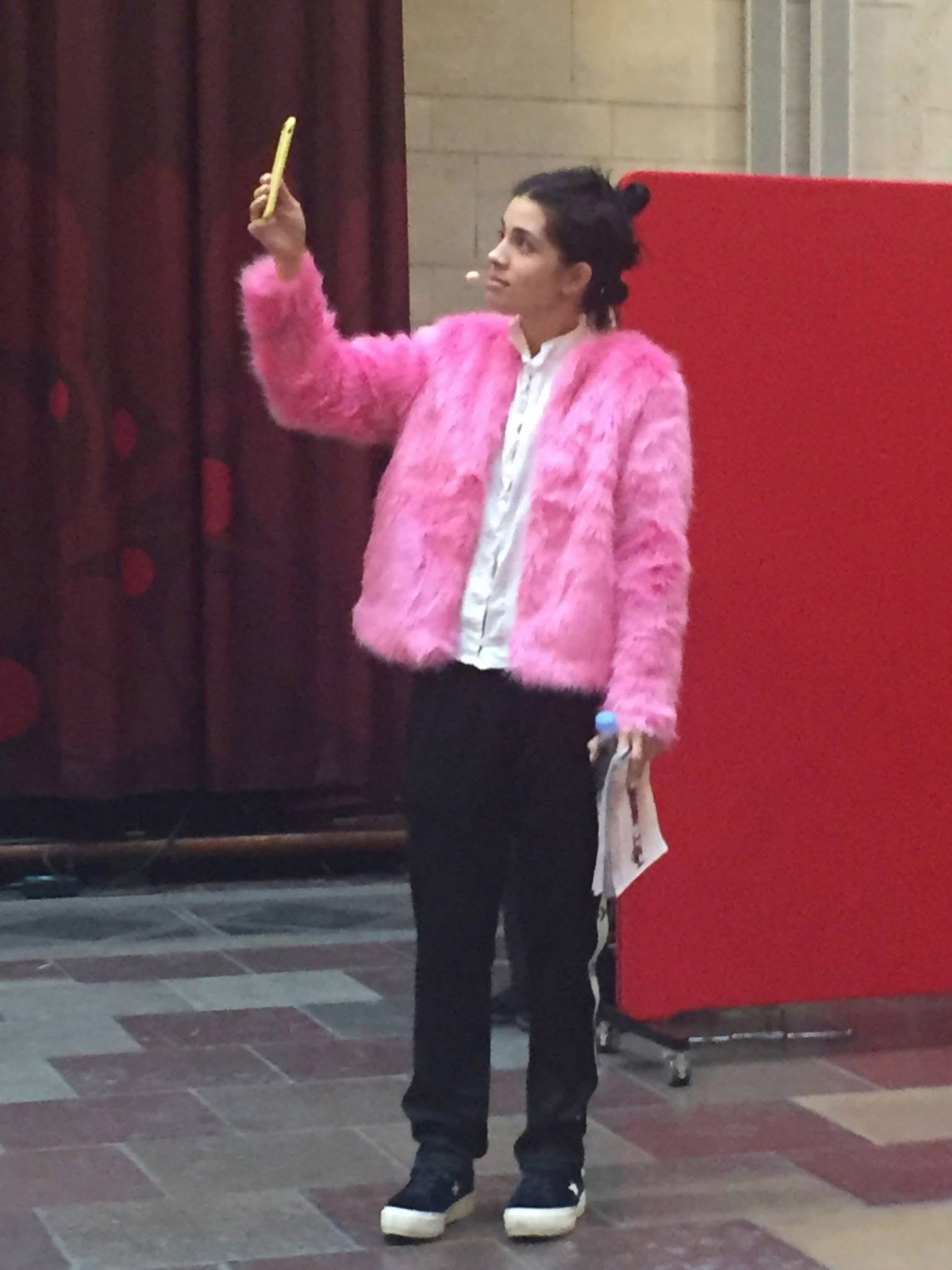
She did not offer the audience a typical inspirational startup speech. She did something more powerful. She talked about the responsibility artists carry when power tries to dictate silence and about the ways creativity can push against systems that appear immovable. When she finished each portion of her speech, she tossed pages on the ground.
Behind the scenes, there was drama. The Russian Creative Business Cup partners were furious. But the person responsible for the keynote had never been particularly interested in building a conference where everything remains comfortable.
Building businesses out of creativity and controversy
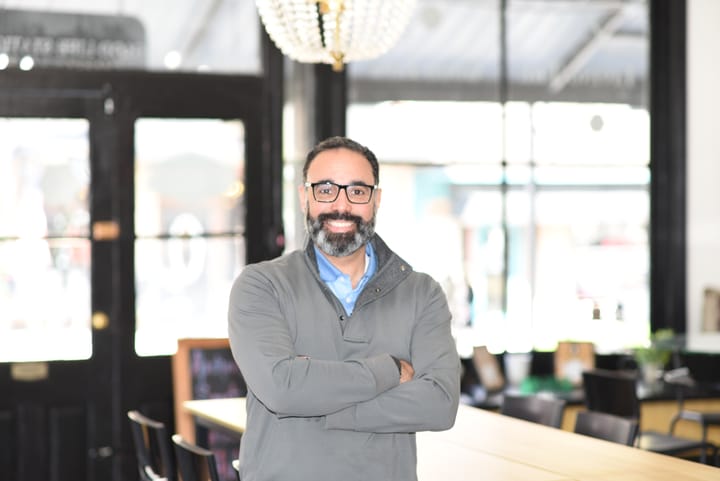
His name is Rasmus Wiinstedt Tscherning, and for more than a decade he has been building one of the most unusual experiments in global entrepreneurship.
When Rasmus launched Creative Business Cup in 2012, the startup ecosystem had already developed an extensive vocabulary for technological innovation. Entire industries had organized themselves around sectors such as fintech, medtech, cleantech, and adtech. Conferences and competitions flourished around founders who were building companies through engineering, code, and venture capital.
What was missing, at least in Rasmus’ view, was a comparable stage for the people building businesses out of creativity.
“Back then there were so many technology competitions,” he explained recently from Denmark. “Cleantech, greentech, medtech, adtech. But there was nothing highlighting entrepreneurs who come from storytelling, design, music, fashion, film, or experiences — people who take creative skills and turn them into companies.”
The omission struck him as strange because the creative industries were already shaping culture and economies around the world. Music, film, gaming, fashion, architecture, and design were not peripheral activities; they were massive economic engines as well as powerful forces of identity and expression.
So he created a platform where those founders could gather.
How do you define creativity?
Creative Business Cup began as a competition for creative entrepreneurs, but over time it evolved into something bigger. Each year founders arrive in Copenhagen carrying the flag of their country and the distinct perspective that comes with it. The companies they pitch often defy the traditional categories of startup culture: fashion platforms that rethink supply chains, music technologies that reshape distribution, design innovations aimed at sustainability, media startups experimenting with entirely new forms of storytelling.
What unfolds during those few days in Denmark is difficult to describe unless you have experienced it in person. It's as if, for a brief window of time, borders and walls disappear and geopolitics ceases.
“You have seen it yourself,” Rasmus said to me during our interview. “People arrive with their flags and their pride, but once they are there they become founders first. They become creators first.”
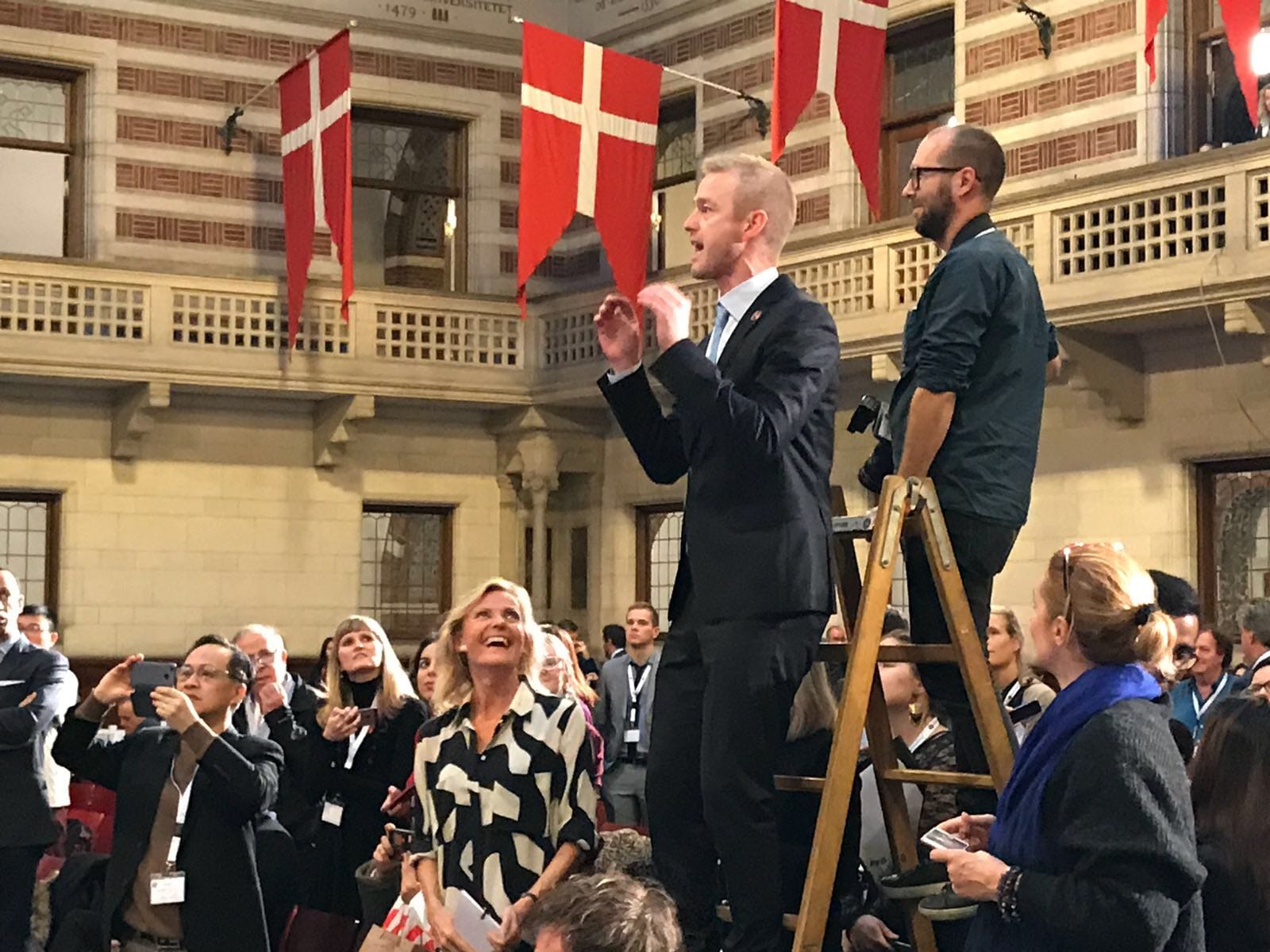
It is not unusual to see entrepreneurs from countries with strained diplomatic relationships standing side by side in the same hallway discussing product ideas or market strategies. Founders from Africa compare notes with Nordic designers. Creators from the Middle East trade perspectives with entrepreneurs from Israel and Asia. The conversations move easily between business and culture because, for many of these founders, the two are inseparable.
At moments the experience resembles a kind of creative Olympics, except that instead of competing for medals the participants compete for prestige and funding.
Of course, the real world inevitably emerges
Ukraine’s creative startup community has been represented at Creative Business Cup for years, and some founders who once stood on the Copenhagen stage have since lost their lives in the war. Afghanistan once brought an energetic group of startups to the event during a brief period when Kabul was building a promising entrepreneurial ecosystem, including a company focused on expanding education for girls, called Maktab.
Then the country fell to the Taliban and the ecosystem disappeared almost overnight.
When the flags appear during the competition the atmosphere can become unexpectedly emotional because those symbols carry stories that extend far beyond the room itself. For many founders the moment represents not only their company but also their country’s aspirations.
“You see people from places that do not necessarily talk to each other politically,” Rasmus reflected, “but here they connect because they are creators.”
The creative economy is not a niche sector. In fact, it is one of the largest and most influential forces shaping global markets.
Some UNESCO estimates place the broader cultural and creative sector at around $4.3 trillion annually, or roughly 6.1% of the global economy, employing tens of millions of people worldwide.
Yet for Rasmus the deeper significance lies in what creativity does for people rather than what it produces financially. Creative founders approach problems with a different sensibility because they are accustomed to imagining possibilities where others see constraints.
One year at Creative Business Cup a startup introduced a female urinal designed to address a problem that most product designers had simply ignored for decades. At another event fashion innovators proposed new systems for sustainable production, while musicians and game developers built platforms that reimagined how audiences experience art.
Which brings the story back to that moment in Copenhagen when Nadya Tolokonnikova stood on stage wearing a furry pink jacket and speaking to a room full of founders.
Rasmus knew that inviting her would provoke disagreement, but he did it anyway because “creativity does not thrive in carefully sanitized environments.”
When asked what keeps him committed to the event after more than a decade, Rasmus offered this.
“Creators challenge what already exists,” he said. “They question things and give new perspectives, and when people begin to see the world from a different point of view, that is when change becomes possible.”
Comments ()